Nuclear Weapons and IRAN
Oman’s Foreign Minister: Iran Nuclear Deal “Within Our Reach” as Diplomacy Hangs in the Balance
In a high-stakes interview aired on CBS’s “Face the Nation” on February 27, 2026, Omani Foreign Minister Badr Albusaidi delivered a message of measured hope amid intensifying U.S.-Iran nuclear negotiations. As the key mediator facilitating indirect talks between Washington and Tehran, Albusaidi told moderator Margaret Brennan that a “peace deal is within our reach” — provided diplomacy is given the space it needs.
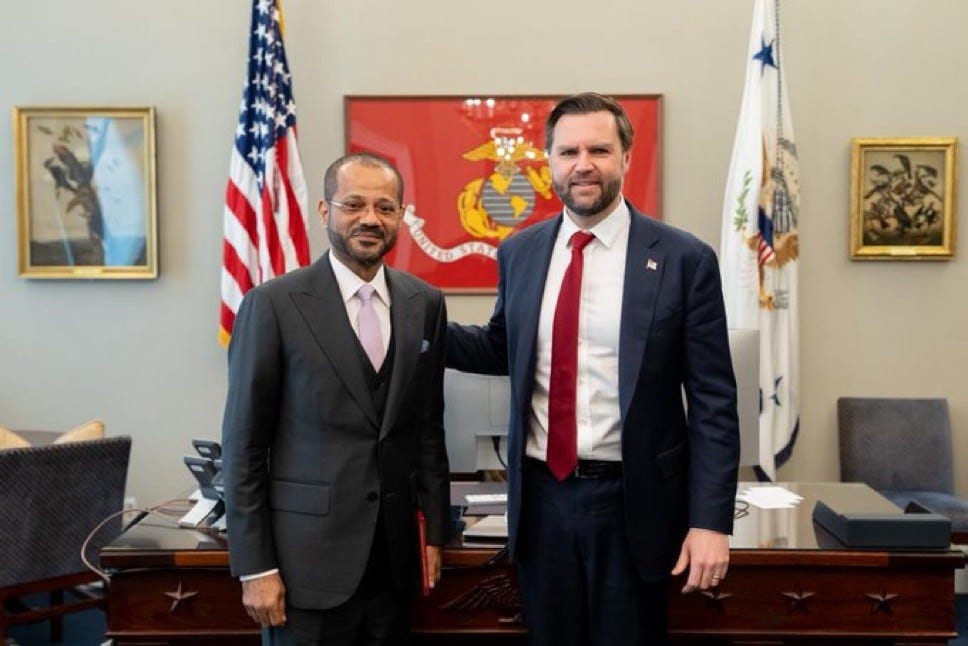
The remarks come just days after U.S. and Iranian envoys held another round of talks in Geneva, with Oman playing its longstanding role as back-channel facilitator. President Donald Trump has publicly voiced frustration, stating he is “not happy” with the pace of negotiations and warning that Iran is not offering enough concessions. Yet Albusaidi, fresh from a meeting with Vice President JD Vance in Washington, painted a more optimistic picture, insisting substantial progress has already been made on the core objective: ensuring Iran can never develop a nuclear bomb.
The interview offers a rare window into the behind-the-scenes dynamics of what could become the most significant revision of the Iran nuclear framework since the original 2015 Joint Comprehensive Plan of Action (JCPOA). That earlier deal, negotiated under President Barack Obama, limited Iran’s uranium enrichment and stockpiles in exchange for sanctions relief. The Trump administration withdrew from it in 2018, reimposing “maximum pressure” sanctions. Efforts to revive it under President Joe Biden stalled, and Iran responded by accelerating its nuclear program, enriching uranium to near-weapons-grade levels and restricting international inspectors.
Now, in 2026, the stakes are even higher. With Trump back in office and reports of potential U.S. or Israeli military options on the table, Albusaidi’s assessment carries weight. Oman has mediated multiple rounds of talks in recent weeks, including sessions in Geneva involving U.S. envoys Steve Witkoff and Jared Kushner alongside Iranian Foreign Minister Abbas Araghchi. Technical-level discussions are set to continue in Vienna next week under the auspices of the International Atomic Energy Agency (IAEA).
The Breakthrough: “Never, Ever” a Nuclear Bomb
At the heart of Albusaidi’s message is what he described as a historic concession from Iran — one not present in the 2015 deal. “The single most important achievement, I believe, is the agreement that Iran will never, ever have a nuclear material that will create a bomb,” he told Brennan. “This is something that is not in the old deal… This is something completely new.”
Under the emerging framework, Iran would commit to “zero stockpiling” of weapons-grade material. Existing stockpiles of enriched uranium would be “down blended to the lowest level possible” — essentially rendered into irreversible fuel unsuitable for bombs — and shipped out or converted. Enrichment itself, while still a point of contention, becomes less relevant if no usable stockpile can accumulate, Albusaidi argued. “If you cannot stockpile material that is enriched then there is no way you can actually create a bomb, whether you enrich or don’t enrich.”
This represents a significant shift from Iran’s past positions, where it insisted on its right to enrich uranium for civilian purposes. Albusaidi emphasized that the deal’s ultimate goal — permanent prevention of a nuclear weapon — has been “cracked” through these talks.
Verification and Access: A New Level of Transparency?
Verification remains the linchpin of any credible agreement. Albusaidi assured that a finalized deal would grant the IAEA “full and comprehensive verification” and “full access” to Iranian nuclear sites, including those previously bombed. He went further, suggesting that under a “respected and fair and endurable” deal, even U.S. inspectors could eventually gain access — a concession Iran never granted during the Obama era.
Brennan pressed on recent IAEA reports indicating resumed activity at damaged enrichment sites and Iran’s refusal to account for its current stockpiles. Albusaidi responded that once a deal is in place, inspectors would gain immediate entry. He estimated that within a “three months kind of cycle” — or roughly 90 days — experts could fully assess remaining stockpiles, implement controls, and determine Iran’s legitimate peaceful needs.
Iran has already halted enrichment, according to both Albusaidi and U.S. officials, countering claims that Tehran is mere weeks from weapons-grade material. The Omani minister acknowledged the Tehran research reactor remains operational for medical isotopes but insisted broader enrichment has ceased.
Time Pressure and Trump’s Frustration
Despite the progress, Trump’s impatience is palpable. The president has signaled that military strikes remain an option if diplomacy fails. Albusaidi, who met Vance to brief him directly, expressed hope that the advances achieved so far would persuade the administration to hold off. “I hope so,” he said when asked if enough has been done to avert strikes. “We have advanced substantially… a deal is in our hand, if we are only allowed the negotiators.”
He described both sides as “dead serious, very creative, very imaginative” and voiced confidence that even Trump prefers a diplomatic outcome. Technical talks in Vienna on Monday and a follow-up negotiators’ round within a week are already scheduled. Albusaidi stressed that details remain to be ironed out but the “big picture” is promising.
Concerns about Israel loomed large. Last year’s U.S. and Israeli strikes on Iranian nuclear facilities disrupted earlier mediation efforts. Albusaidi voiced alarm at any repeat, warning that military action would derail the current window. “We saw what happened last year. We don’t want the repetition of that,” he said.
Beyond Nuclear: Regional Dialogue on Missiles and Security
While the immediate focus is nuclear-only, broader issues persist. Secretary of State Marco Rubio has insisted Iran must address its ballistic missile program. Albusaidi revealed Iran is “open to discuss everything,” though not necessarily in the nuclear track. Instead, non-nuclear concerns — including missiles, regional security, and economic cooperation — could be addressed through a new dialogue between Iran and its Gulf neighbors (GCC states). This framework would build confidence and tackle mutual concerns without derailing the core nuclear agreement.
Such an approach could mark a departure from past deals, creating a more comprehensive regional security architecture rather than isolating the nuclear file.
Domestic Hardliners: Rhetoric to Placate Skeptics
Both sides must navigate vocal hardliners who view any compromise with suspicion. President Trump has repeatedly demanded that Iran must “clearly say that they will not make an atomic bomb” — a public declaration he sees as essential proof of good faith. Yet this overlooks the longstanding fatwa issued by Iran’s Supreme Leader Ayatollah Ali Khamenei, which has barred the production, stockpiling, or use of nuclear weapons on religious grounds for more than two decades. On the Iranian side, senior cleric Ahmad Khatami recently stated that uranium enrichment “will continue,” dismissing global calls for the program to be suspended as “irrelevant.” The remark, reported by state media, is widely interpreted as a deliberate signal to placate domestic hardliners within the regime. In reality, as made clear in the Oman-mediated talks, enrichment will indeed continue at levels suitable for civilian nuclear power plants — but never to weapons-grade thresholds, with zero stockpiling of enriched material or residues permitted. This calibrated approach allows Tehran to preserve its sovereign rights while delivering the unbreakable non-proliferation guarantees Washington seeks.
A Historic Opportunity — or a Dangerous Delay?
Albusaidi’s optimism stands in contrast to skepticism from critics who view Oman’s mediation role with suspicion, given Muscat’s longstanding ties to Tehran and its facilitation of sanctions-evasion networks. Yet as an independent interlocutor trusted by both sides, Oman has repeatedly proven its value in quiet diplomacy.
The original JCPOA bought time but failed to address Iran’s regional behavior or long-term weaponization risks. This new iteration, if finalized, promises stricter limits on material, irreversible conversion of stockpiles, and enhanced verification — potentially addressing shortcomings of the 2015 pact.
Whether the Trump administration sees it the same way remains the decisive question. With technical talks resuming in Vienna and negotiators reconvening soon, the coming weeks will determine if diplomacy triumphs or if the region slides toward conflict.
As Albusaidi put it, the choice is clear: “I don’t think any alternative to diplomacy is going to solve this problem.” The peace deal, he insists, is within reach — if only the parties seize the moment.
The coming days will test whether Washington agrees. For now, Oman’s mediator has laid out a credible path forward, one that could reshape the Middle East’s nuclear landscape and avert another war. The world is watching.


