Oysters, War Scars and a Nazi Tattoo
Graham Platner’s High‑Risk Populist Bid in Maine
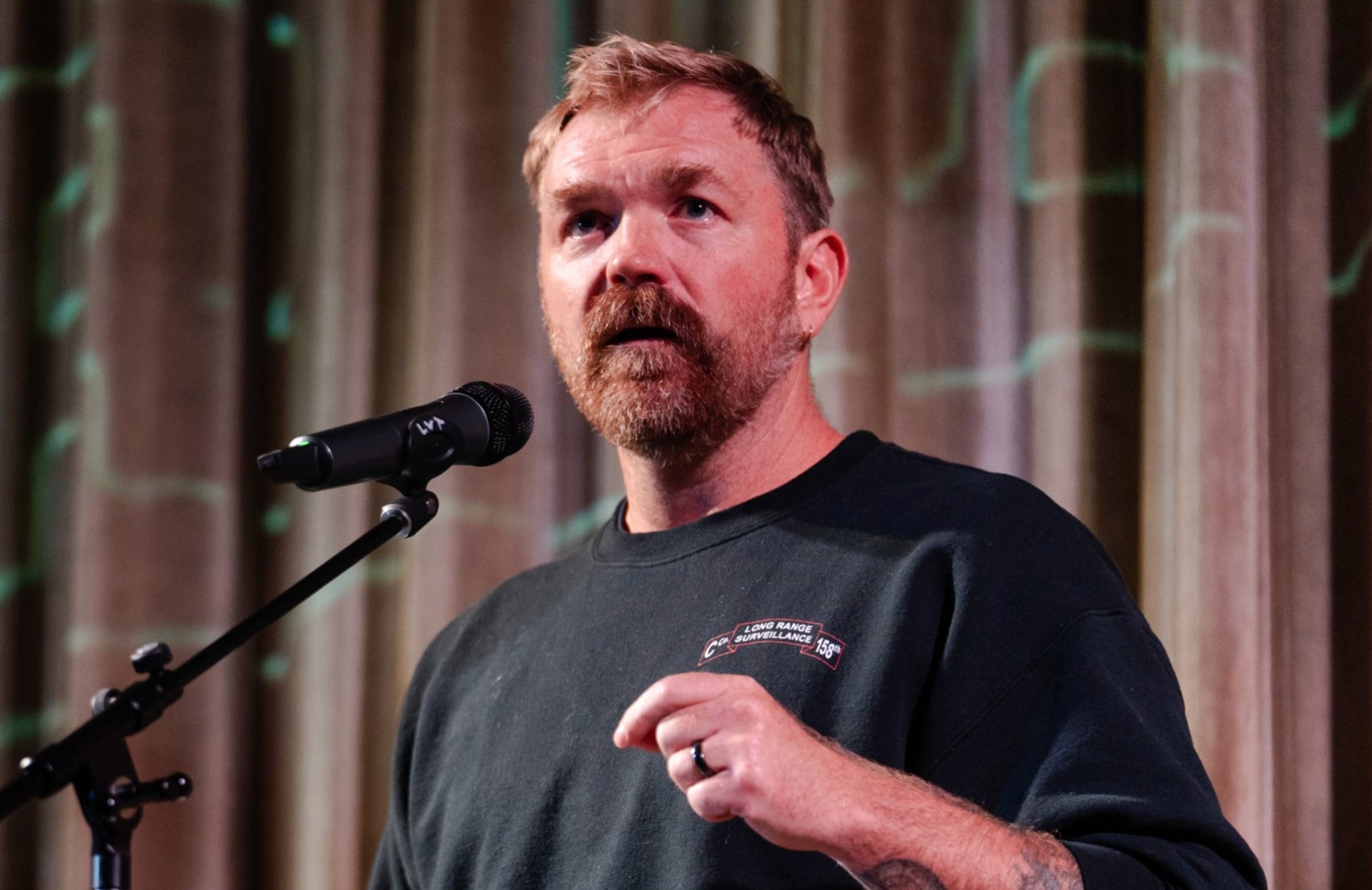
Graham Platner’s Senate run in Maine is less a conventional primary and more a live experiment in whether a visibly flawed, deeply online working‑class populist can beat both his party’s establishment and a five‑term Republican incumbent. His story begins far from the polished pathways that normally produce U.S. senators: a kid from rural coastal Maine who enlisted after 9/11, served four combat tours across the Marine Corps and the Army in Iraq and Afghanistan, then came home and built his life around tides, boats, and bivalves rather than think‑tank panels.
Back in Sullivan, he took over and expanded a small operation that grew into Frenchman Bay Oyster Company, while also serving as the local harbormaster and chairing the town planning board. That combination of war, manual labor, and municipal grunt work gives him a biography that directly rebukes the image of Democrats as an urban, professional class party: his campaign ads lean on images of him in waders and on docks, talking as much about the cost of bait and diesel as about abstract policy, and tying his livelihood to warming waters and coastal development decisions made far from Maine.
From that life experience he has built an economic message that fuses Sanders‑style class politics with suspicion of concentrated power in all its forms. He frames his populism as the natural conclusion of watching defense contractors profit from the wars he fought in, then returning to communities where hospital mergers, monopoly distributors, and student debt squeeze people who never had a real say in national decisions. His platform emphasizes breaking up monopolies, curbing corporate surveillance and data mining, strengthening unions, and ending what he calls “pointless wars,” presenting oligarchy, not Republicans alone, as the main enemy.
That argument has resonated fast. Key progressive figures such as Bernie Sanders have endorsed him, framing him as the rare Democrat who can speak fluently about workplace organizing and VA backlogs in the same breath, while national progressive groups and unions like the Maine State Nurses Association and UAW have lined up behind him. Recent polling commissioned by progressive organizations shows Platner leading Governor Janet Mills by roughly 20 points among likely Democratic primary voters, even after weeks of bruising coverage, signaling that the base may prioritize class‑focused authenticity over the risk profile of a more conventional candidate.
The intriguing part of his profile, though, is that the qualities making him attractive to disillusioned voters are inseparable from the traits that terrify risk‑averse Democrats. Years of prolific posting on Reddit and other platforms have produced a digital record that contains both earnest, left‑wing, anti‑war, anti‑fascist commentary and moments of ugly, racially charged, misogynistic, or violent rhetoric that opponents can isolate and amplify. On top of that sits the stark visual of an old skull‑and‑bones tattoo on his chest that closely resembled Nazi SS Totenkopf imagery, since covered but preserved in photographs and now inextricable from his public image.
Platner’s own account is that these were the acts of a younger man spiraling through untreated PTSD and disillusionment, using dark humor and shock value as an outlet, rather than expressions of sincere bigotry or fascist sympathy. He says he got the tattoo while drunk on leave with fellow Marines and did not understand its Nazi associations at the time, describes it now as a shameful mistake, and points to numerous posts where he mocks neo‑Nazis, denounces racist policing, and warns against authoritarianism as evidence that his politics are firmly anti‑fascist.
The party’s internal reaction to this mix of biography and baggage is revealing. On one side are strategists and commentators who see Platner as a “fantasy” candidacy: ideologically exciting but politically dangerous, a man whose vulnerabilities — from the tattoo to racially charged jokes could be lethal in a general election against Susan Collins, a veteran of many negative campaigns. On the other side are progressives and some younger electeds who argue that national Democrats chronically undervalue authentic working‑class messengers, and that voters, especially in a state like Maine, may be more forgiving of past transgressions if they believe the candidate now stands firmly against corporate power and endless war.
This leaves the Platner–Mills contest as a proxy fight over what electability means in the age of permanent online archives. Mills represents the curated model: a disciplined, vetted statewide figure with a minimal oppo file and a plausible path to reassuring donors and suburban moderates. Platner represents what might be called damaged authenticity: a candidate whose life and rhetoric line up with the grievances of many voters, but whose past cannot be scrubbed or perfectly managed, forcing the party and the electorate to decide how much imperfection they are willing to tolerate in exchange for a sharper class message.
Seen this way, the most interesting aspect of Platner’s profile is not just that he is a veteran oyster farmer with a populist platform, but that his campaign is an early test of whether post‑Trump American politics can accommodate candidates who are neither polished professionals nor open extremists, but complicated people with full digital histories. He embodies both the promise and the peril of that shift: someone whose experiences of war and precarious work make his anti‑oligarchy message credible, and whose worst online moments show exactly how ugly that experience can look when preserved forever. How Maine Democrats decide between him and Mills will signal whether the party’s future lies with carefully managed respectability or with rough‑edged figures whose lives, and mistakes, are already public.


