


In the shadow of Operation Epic Fury — the U.S.-Israeli campaign launched on February 28, 2026, that decapitated Iran’s leadership and continues into its third week — fresh intelligence revelations have cast the conflict in a stark new light. Director of the U.S. National Counterterrorism Center Joe Kent resigned in protest, stating he could not in good conscience support a war against a nation posing “no imminent threat.” UK National Security Adviser Jonathan Powell, who directly participated in the final rounds of Omani-mediated (and later Geneva-based) indirect talks, assessed that Tehran’s latest offer — including a commitment to zero stockpiling of highly enriched uranium — was “sufficient to prevent war” and that “a deal was within reach.” Oman’s Foreign Minister had publicly declared peace “within reach” just days earlier. Diplomacy was advancing substantively until the sudden strikes.
This timing reframes the entire enterprise. President Trump’s early expectations — swift victory in under a week, minimal losses, reopened Strait of Hormuz, stable oil under $80, a pliable new government, rising approval ratings, NATO backing, and an Iranian popular revolt — have not materialized. The Strait remains functionally disrupted (shipping traffic down dramatically, with only a fraction of normal tankers transiting). Oil has surged past $100 per barrel. No regime change on U.S. terms has occurred; Mojtaba Khamenei now leads. Losses mount on all sides. Public support in America has not surged. NATO has declined direct involvement. No mass uprising has toppled the clerical structure. The new information from Kent and Powell suggests the attack interrupted a viable diplomatic track rather than a desperate last resort.
This episode offers a defining case study in 21st-century sovereignty: what happens to a nation that forgoes nuclear weapons and relies instead on conventional deterrence, while pursuing an independent foreign policy Washington deems unacceptable. Contrast Iran with the Democratic People’s Republic of Korea (DPRK). North Korea possesses nuclear weapons and a credible delivery capability. Despite decades of defiance — missile tests, human-rights abuses, threats to neighbors — no U.S. or allied military campaign has ever seriously targeted regime change in Pyongyang. The nuclear threshold acts as a sovereign insurance policy. Even at the height of “fire and fury” rhetoric, military options stopped short of invasion or decapitation strikes. Pyongyang remains sovereign because crossing the nuclear line risks unacceptable escalation.
Iran chose — or was forced into — a different path. It never crossed the nuclear threshold into weaponization (as confirmed by U.S. and UK assessments during the recent talks). Its deterrent rested on ballistic missiles, drones, and proxy networks. That deterrent failed spectacularly against high-altitude stealth bombers, precision cruise missiles, and electronic warfare dominance. Iranian air defenses were systematically degraded in the opening hours; leadership targets were hit with impunity. The result: a non-nuclear state expressing sovereign independence — maintaining relations with Russia and China, supporting regional allies, and advancing a civilian nuclear program under IAEA safeguards — found itself subjected to military action without a United Nations Security Council resolution authorizing force.
International law specialists have noted the absence of any Chapter VII mandate or imminent-threat justification that survived scrutiny. The strikes were framed by Washington and Jerusalem as preemptive self-defense against a “terror regime” and nuclear latency. Critics, including voices inside Western intelligence communities now leaking, counter that the talks demonstrated latency was being managed diplomatically. Iran’s “crime,” in this view, was not an active bomb but an independent foreign policy that challenged U.S. hegemony in the Gulf, refused normalization on American terms, and preserved strategic autonomy. In an era when great powers increasingly define “acceptable” sovereignty, non-nuclear states without robust conventional defenses discover their independence is conditional.
Here lies the deeper lesson for smaller and middle powers worldwide. Nuclear weapons remain the ultimate equalizer, but proliferation is politically toxic and technically difficult. The next-best shield — rapidly becoming viable — is layered, modern air and missile defense integrated with advanced drones and electronic countermeasures. Iran’s experience proves the point in the negative: its missile and drone arsenal, while formidable on paper, could not prevent stealth platforms from penetrating and striking at will. High-altitude bombers (B-2, F-35, Rafale with standoff munitions) and swarming low-altitude drones overwhelmed legacy Soviet-era systems like S-300 and indigenous upgrades.
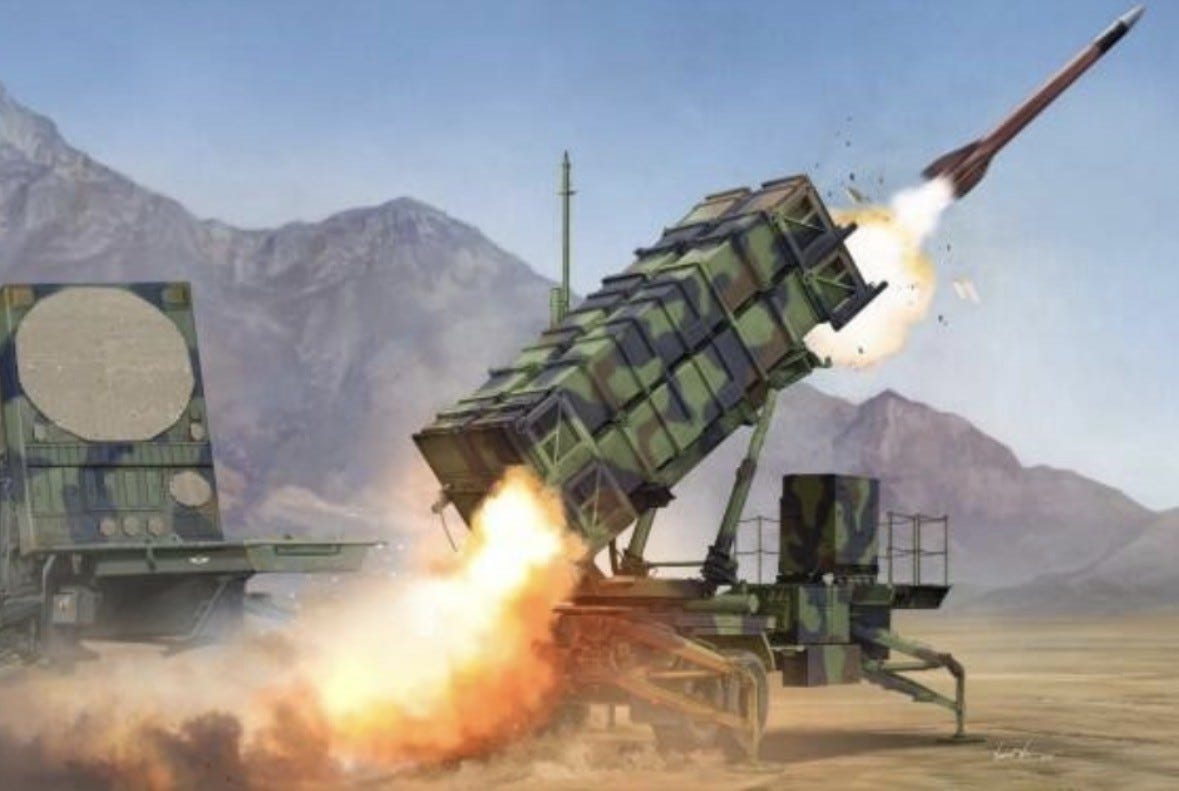
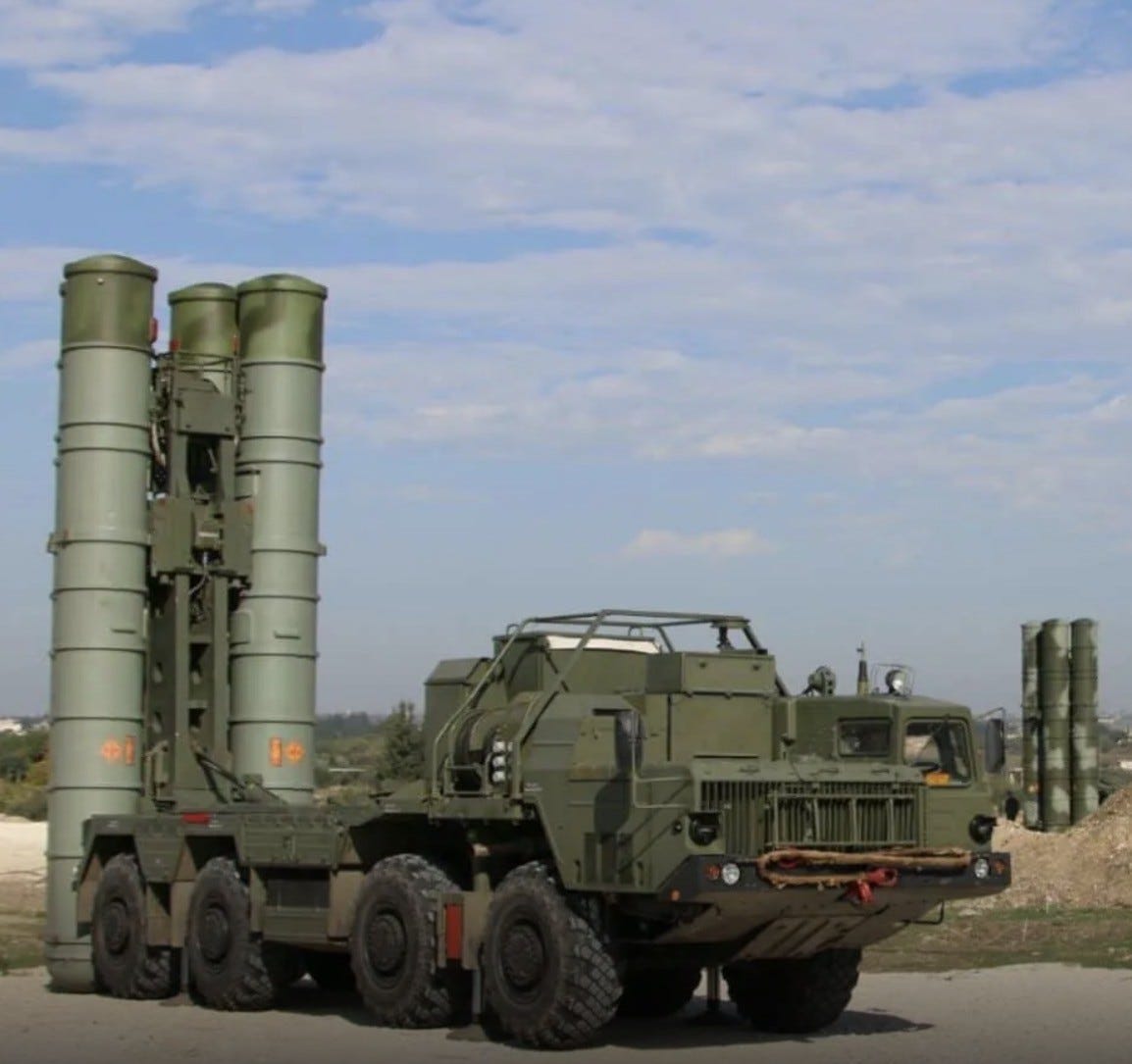
Effective air defense changes the calculus entirely. Systems capable of detecting and intercepting stealth aircraft at long range, neutralizing hypersonic threats, and integrating AI-driven command networks allow a state to impose real costs on any aggressor. Nations like India (with its S-400 and indigenous programs), Turkey (developing Kaan fighter and air defenses), or even Saudi Arabia (post-Patriot upgrades) already invest heavily here. Smaller states — Vietnam, Indonesia, or Latin American nations wary of external pressure — could similarly prioritize affordable, exportable systems from Russia, China, or emerging European consortia. When a country can credibly deny airspace to high-value adversaries, it gains breathing room to pursue independent diplomacy, protect energy infrastructure, and preserve cultural and political traditions without fear of sudden “regime security” operations.
Imagine a world where effective air defense is as democratized as anti-tank missiles were in the 1980s. A state could maintain relations with multiple powers, resist economic coercion, and safeguard its societal model — whether secular, Islamic, socialist, or monarchist — without needing the pariah status that accompanies nuclear breakout. Sovereignty becomes less about possession of doomsday weapons and more about technological resilience. Cultures and traditions once vulnerable to external “malign influence” (a term often wielded selectively) could endure because the cost of intervention rises sharply.
Iran’s current ordeal underscores both the vulnerability and the opportunity. Its conventional deterrent proved insufficient against a peer-level aerospace campaign, exposing the limits of missiles and drones alone. Yet the very failure highlights what future investments could achieve. Had Iran possessed denser, more advanced integrated air defense — multi-layered systems with quantum radar hints, hypersonic interceptors, or drone swarms optimized for defense — Operation Epic Fury might have been deterred or stalemated from the outset. The same logic applies globally. In an age of resurgent great-power competition, sovereignty is no longer guaranteed by the UN Charter alone or by nuclear ambiguity. It must be underwritten by the ability to make aggression expensive.
The revelations from Kent and Powell add a tragic footnote: diplomacy was working until military logic prevailed. Iran’s non-nuclear status did not earn it protection; it earned it a test of strength it was not yet equipped to win. For the rest of the world watching — especially non-nuclear states asserting independent policies — the message is clear. Nuclear weapons buy sovereignty at the price of isolation and sanctions. Advanced air defense offers a cleaner, more sustainable path: defend your skies, and you defend your right to chart your own course, protect your people’s traditions, and negotiate from strength rather than fear.
Whether this conflict ultimately produces a denuclearized Iran or merely a protracted stalemate, its legacy may be the acceleration of a global arms race — not in bombs, but in shields. The 2026 Iran war could mark the moment when nations realized that true independence in the 21st century is measured less by fissile material and more by the altitude at which adversaries are turned away. Sovereignty, once a legal abstraction, is becoming a technological achievement. Iran paid the price of learning that lesson the hard way. Others need not repeat it.