

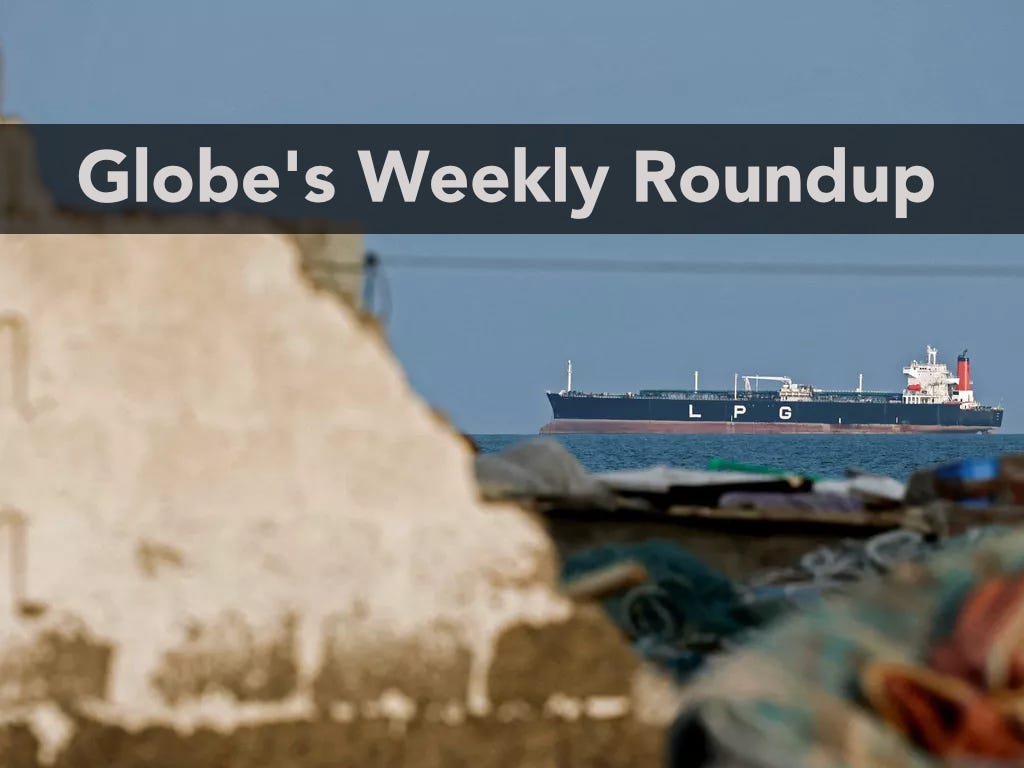
The bomb that hit Kharg Island was not a military strike. It was an energy weapon pointed at the world. March 9 to March 16, 2026
On the night of March 13, American forces struck Kharg Island.
The island is a flat, low-lying strip of land in the northeastern Persian Gulf, roughly five miles long, unremarkable in every sense except one: Kharg Island processes approximately ninety percent of Iran’s crude oil exports. It is the valve through which the Islamic Republic’s most important economic asset reaches the world. When U.S. Central Command announced on March 14 that its forces had struck more than ninety military targets on the island — naval mine storage facilities, missile bunkers, radar installations — it was describing a military operation conducted inside the engine room of Iranian state power.
President Trump announced on social media that the island’s military targets had been “obliterated.” He added, with deliberate care, that the oil infrastructure had not been touched. The distinction matters enormously to oil markets, which have been the most visible casualty of this war since its first week. The distinction also may not hold. Iran warned it was assessing the situation. Iran’s Parliament Speaker Mohammad Bagher Ghalibaf had warned publicly, days before the strike, that if the United States or Israel attacked Iranian islands in the Persian Gulf, Tehran would “abandon all restraint.” The parliament speaker was not speaking metaphorically.
